How to Improve Your Vertical Jump for Basketball
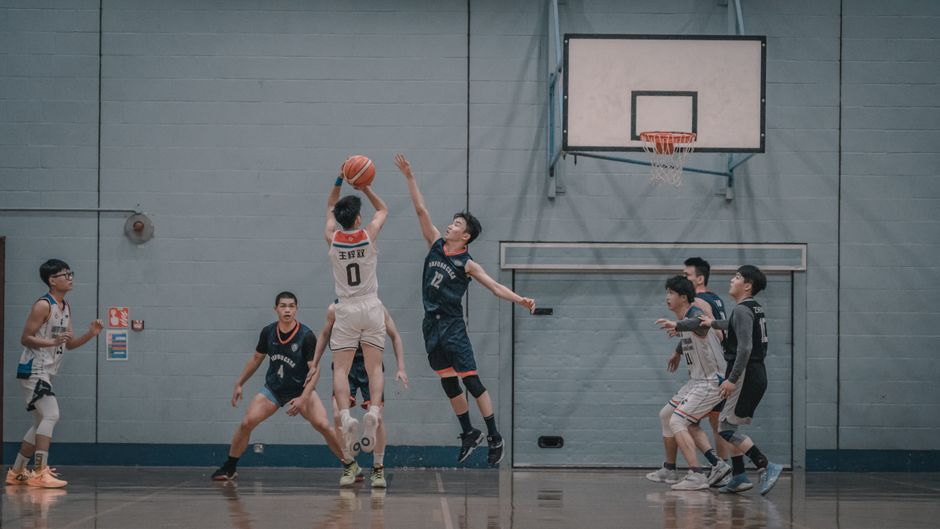
Improving vertical jump height is a common goal for basketball players who want to enhance their performance on the court. While genetics play a role, structured training can influence explosive power through neuromuscular adaptations and strength gains. This article outlines a process-oriented approach that focuses on plyometric exercises, proper form cues, and systematic progress tracking.
The methods described here are based on general principles of sports science and are intended for athletes who already have a foundation of basic strength and movement control. Individual results depend on factors such as training history, recovery, nutrition, and consistency. The following sections provide a framework that athletes can adapt to their own context.
Understanding the Mechanics of the Vertical Jump
A vertical jump involves a rapid sequence of muscle contractions that generate force against the ground. The movement relies on the stretch-shortening cycle, where a quick eccentric (lengthening) phase stores elastic energy, followed immediately by a concentric (shortening) phase that releases that energy. The muscles of the hips, thighs, calves, and core all contribute to this chain.
The ability to produce high force in a short time, often referred to as explosiveness, is influenced by neural drive, muscle fiber type composition, and technique. Athletes with higher proportions of fast-twitch fibers may have an advantage, but training can improve the recruitment and firing rate of motor units. Understanding these mechanics helps in selecting exercises and cues that target the relevant neuromuscular pathways.
Key Plyometric Exercises for Jump Training
Plyometric training involves explosive movements that train the stretch-shortening cycle. Examples include box jumps, depth jumps, squat jumps, and pogo hops. Each exercise places different demands on the body, and varying them over time can provide a well-rounded stimulus.
Box jumps focus on concentric power and landing control. Athletes begin by standing in front of a sturdy box or platform, then jump onto it using a countermovement. Depth jumps involve stepping off a box, landing briefly, and immediately jumping upward or forward. This exercise emphasizes reactive strength. Squat jumps and pogo hops develop lower-body power and ankle stiffness, respectively.
When incorporating these exercises, it is important to manage volume and intensity. Plyometrics place stress on the tendons and joints, so proper warm-up and recovery between sessions are necessary. A typical session might include two to three different plyometric exercises performed for three to five sets of three to five repetitions, with full rest between sets.
Form and Technique Fundamentals
Technique can influence the efficiency of force transfer during a jump. Key elements include the depth of the countermovement, the position of the torso, the swing of the arms, and the timing of the triple extension at the ankles, knees, and hips.
A controlled countermovement—bending the knees and hips to roughly 90 degrees—allows the muscles to load effectively. The torso should remain relatively upright to avoid excessive forward lean. Arm swing contributes momentum: swinging the arms upward quickly as the legs extend can increase jump height. At the peak of the jump, the body should be fully extended, and upon landing, the athlete should absorb the impact by bending the hips and knees gradually.
Coaching cues such as “drive through the floor” or “snap the arms up” can help athletes internalize these positions. Video analysis or feedback from a coach can highlight areas where form breaks down, especially under fatigue.
Structuring a Weekly Training Routine
A weekly plan for vertical jump improvement often includes two to three jump-specific sessions per week, spaced to allow recovery. These sessions can be combined with strength training, sport practice, and active recovery days. An example schedule might begin with a plyometric session on Monday, a strength session on Wednesday focusing on squats and deadlifts, and a second plyometric session on Friday.
Each plyometric session should start with a dynamic warm-up that includes light jogging, leg swings, and low-intensity jumps. The main work then progresses from simpler jumps to more demanding ones. For instance, a session could start with pogo hops, move to squat jumps, and finish with box jumps. The total number of jumps per session should be managed to avoid excessive fatigue, typically between 60 and 100 ground contacts.
Rest between sets is important for maintaining explosive quality. Two to three minutes of rest allows the nervous system to recover sufficiently. Over the course of a training block, athletes may gradually increase volume or intensity while monitoring how their body responds.
Tracking and Adjusting Progress
Monitoring progress helps athletes and coaches evaluate whether the training stimulus is appropriate. Vertical jump height can be measured using a Vertec, a jump mat, or even a marking on a wall. Measurements should be taken under consistent conditions—such as after a standard warm-up—to ensure reliability over time.
Beyond jump height, other indicators include takeoff velocity, ground contact time in depth jumps, and subjective ratings of perceived exertion. Tracking these metrics weekly or biweekly can reveal trends. If improvements plateau or regress, adjusting variables like exercise selection, volume, or rest may be necessary. It is also common to incorporate deload weeks where intensity is reduced to allow for recovery and adaptation.
External factors such as sleep quality, stress levels, and nutrition play a role in how an athlete responds to training. Keeping a simple training log that includes these factors can provide context for performance changes. Programs like those designed by Prime Athletics often emphasize the importance of viewing progress longitudinally rather than expecting linear improvement.
Ultimately, improving vertical jump requires patience, consistency, and attention to detail. By focusing on the process—mechanics, exercise selection, form, and systematic tracking—athletes can create conditions that support their development over time.