After 90 minutes of intense physical effort on the pitch, a professional soccer player’s body undergoes significant stress. Muscle fibers suffer micro-tears, energy stores are depleted, and the central nervous system experiences fatigue. For top European clubs, the period immediately following a match is not merely a time to rest—it is a carefully structured phase where evidence-based interventions are applied to support the body’s natural repair mechanisms. These protocols are designed not to guarantee a specific outcome, but to create conditions under which recovery can proceed efficiently and sustainably.
Understanding how elite players manage post-match recovery requires looking beyond popular trends and into the science behind each method. Clubs invest in specialized equipment, dedicated staff, and individualized plans that take into account the player’s position, workload, and even genetic factors. The goal is to reduce inflammation, restore hydration and fuel, and promote neuromuscular regeneration. This article examines several of the most widely adopted strategies, from cold water immersion to compression technology, and explains the reasoning behind their use in a professional setting.
Cold Water Immersion and Cryotherapy
Cold water immersion, often referred to as an ice bath, is one of the most visible recovery tools in soccer. Players sit in water temperatures ranging from 10 to 15 degrees Celsius for 10 to 15 minutes shortly after a match. The cold causes blood vessels to constrict, which may help limit swelling and the secondary damage associated with inflammation. Once the body warms up again, vessels dilate and circulation increases, potentially aiding the removal of metabolic waste products such as lactate. Research on the effectiveness of cold water immersion is mixed, but many practitioners consider it a useful component when applied within the first hour post-match.
Whole-body cryotherapy chambers, where players are exposed to extremely cold air for two to three minutes, have also gained popularity in European clubs. The principle is similar to ice baths but involves less discomfort and a shorter exposure time. Some studies suggest that cryotherapy can reduce muscle soreness and perceived fatigue, though results vary depending on the intensity of the match and individual response. Clubs typically combine this method with other strategies rather than relying on it alone. The choice between cold water immersion and cryotherapy often comes down to logistics, player preference, and the specific goals of the recovery session.
Compression Garments and Pneumatic Devices
Compression garments, such as socks, sleeves, and tights, are commonly worn by players during travel or while resting after a game. These garments apply graduated pressure to the limbs, which may assist venous return and reduce fluid accumulation. The idea is to maintain blood flow without requiring active muscle contraction, thereby supporting the clearance of metabolic byproducts. Evidence from controlled trials indicates that compression garments can modestly reduce markers of muscle damage and perceived soreness in the days following intense exercise, although the magnitude of benefit varies.
Pneumatic compression devices, often seen in club recovery rooms, take this concept further. Players insert their legs into inflatable boots or sleeves that sequentially squeeze and release, creating a wave-like pressure. This mechanical action mimics the pumping effect of muscle contractions and is thought to enhance lymphatic drainage. Top European clubs have incorporated these devices as part of their standard post-match routine, especially for players with high match loads or those who have limited time between fixtures. While the technology is well accepted, the individual response can differ, and it is typically used alongside other modalities.
Nutritional Replenishment and Hydration Strategies
Replenishing energy stores and fluids is a priority in the immediate post-match period. Professional soccer players consume carbohydrate-rich meals or drinks within 30 minutes of the final whistle to optimize glycogen resynthesis. Protein intake is also emphasized to support muscle repair, often through shakes, bars, or whole foods containing leucine-rich sources such as whey or chicken. Clubs employ sports nutritionists who calculate individual needs based on body composition, sweat rate, and match demands, adjusting the timing and composition of each recovery meal.
Hydration is managed through a combination of water and electrolyte solutions. Players lose significant amounts of sodium, potassium, and magnesium through sweat, and simply drinking water is not sufficient to restore balance. Many clubs provide personalized hydration plans that involve pre- and post-match weighing, urine color assessments, and sweat analysis. The use of tart cherry juice, beetroot extract, or other antioxidant-rich supplements has also been explored for their potential to reduce oxidative stress, though the evidence is not yet conclusive enough to form a universal recommendation. The focus remains on consistent, individualized nutritional support rather than any single magic ingredient.
Sleep, Active Recovery, and Soft Tissue Work
Sleep is arguably the most powerful recovery tool available, yet it is often the most challenging to optimize after a late evening match. European clubs have begun implementing sleep hygiene protocols that include dim lighting, controlled room temperatures, and education on limiting screen time. Some teams provide sleep pods or quiet rooms where players can rest immediately after the game. Travel schedules and time zone changes add complexity, so strategies such as strategic napping and the use of melatonin are sometimes discussed with medical staff. The emphasis is on creating an environment that supports natural sleep cycles rather than forcing rest.
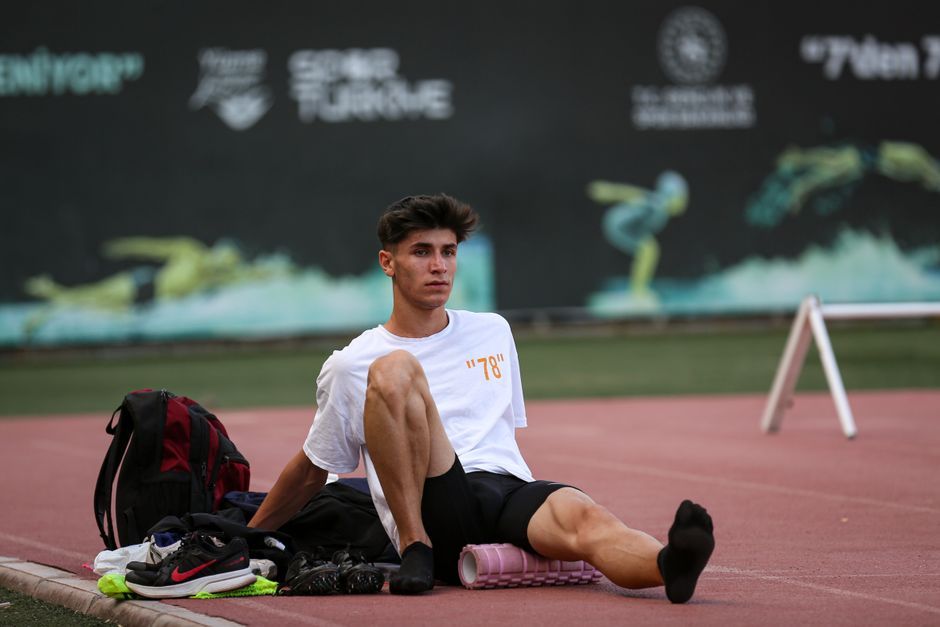
Active recovery sessions, typically held the day after a match, involve low-intensity activities such as cycling, swimming, or gentle stretching. The purpose is to increase blood flow without imposing additional strain on fatigued muscles. These sessions are not aimed at improving fitness, but at facilitating the removal of metabolic waste and maintaining joint mobility. Soft tissue work, including sports massage, foam rolling, and percussion therapy, is also common. Many clubs employ physiotherapists who apply techniques to release muscle tension and address trigger points. The choice of method depends on the player’s reported soreness and any underlying issues identified during the match.
In summary, the post-match recovery protocols used by top European soccer clubs represent a multi-faceted approach grounded in physiology and practical experience. From cold exposure and compression to careful nutrition and rest, each element is tailored to the individual and applied in a sequence that respects the body’s natural processes. No single method is presented as a guaranteed solution; rather, the combination of these strategies, along with ongoing monitoring and adjustment, forms the backbone of a professional recovery system. Prime Athletics, as a brand involved in the development of recovery equipment and garments, contributes to this ecosystem by providing tools that clubs integrate into their broader protocols. The ultimate effectiveness of any recovery plan depends on consistency, individualization, and the many variables that influence an athlete’s response after the final whistle.